
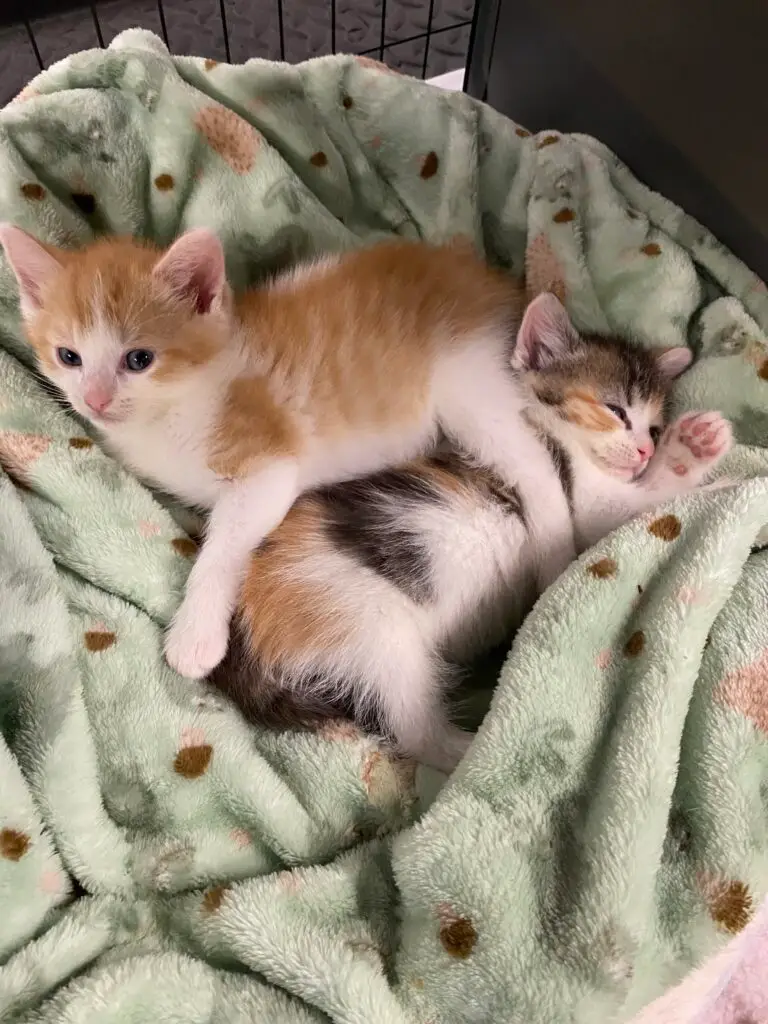
Kitten Adoption: What To Know
- The Financial Commitment
Adoption fees are just the starting point. A kitten’s first year is typically the most expensive due to a series of necessary medical “start-up” costs.
- Veterinary Care: Kittens require a series of vaccinations (FVRCP, Rabies), deworming, and a feline leukemia/FIV test.
- Spaying/Neutering: If not already done by the shelter, this is a vital one-time expense for health and behavior.
- The Monthly “Burn”: Budget for high-quality kitten food, litter, and preventative flea/tick/heartworm medication.
- Kitten-Proofing Your Space
Kittens are essentially tiny, furry toddlers with the climbing ability of a mountain goat. Before they arrive, perform a “floor-level” sweep:
- Tuck Away Cords: Exposed electrical cords are tempting chew toys. Use cord protectors or tuck them behind furniture.
- Check Your Plants: Many common houseplants (like Lilies, Aloe, and Poinsettias) are toxic to cats.
- Small Objects: Anything that can fit in a kitten’s mouth is a potential choking hazard or intestinal blockage risk.
- Socialization and Time
Kittens are not “low maintenance” compared to adult cats. They require active engagement to grow into well-adjusted adults.
- The “Single Kitten Syndrome”: Kittens learn boundaries (like not biting too hard) by playing with other kittens. If you are adopting a single kitten, you will need to step in as the primary playmate to burn off their “zoomie” energy.
- Sleep Patterns: Kittens are often most active at dawn and dusk. Be prepared for some early morning wake-up calls during the first few months.
- Necessary Gear
Have your “starter kit” ready before the kitten steps through the door:
- Litter Box: One with low sides so a small kitten can easily climb in and out.
Scratching Posts: If you don’t provide a designated place to scratch, they will choose your sofa.
Vertical Space: Cats feel safest when they can get high up. A small cat tree or a cleared shelf goes a long way.